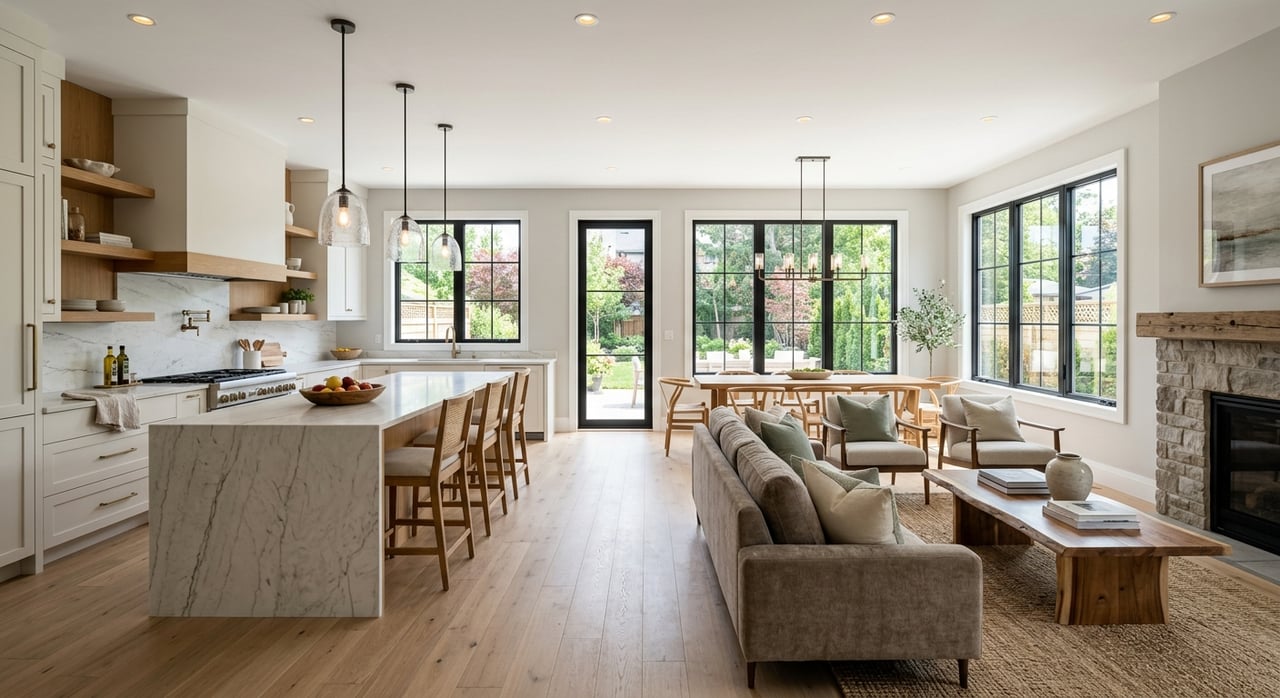
Choosing The Right Little Rock Home Style For You
Wondering which home style fits your life best in Little Rock? That is a smart question to ask before you fall in love with a listing, because in this city, architecture often shapes your daily routine, your repair budget, and even your renovation options. If you are weighing charm versus convenience, or historic character versus lower-maintenance living, this guide will help you compare your choices with more confidence. Let’s dive in.
Little Rock has a wide enough housing mix that style is more than curb appeal. The city has 27 National Register historic districts, including 16 residential districts, and its older neighborhoods include homes and streetscapes dating from the 1820s through the 1970s. That variety gives you real choices if you want a home that matches both your budget and your lifestyle.
City data also helps frame the market. In Little Rock, 53.5% of households are owner-occupied, the median owner-occupied home value is $236,400, and 63% of housing units are single-unit structures. In practical terms, that means you can find everything from detached historic homes to attached options and newer builds, depending on what matters most to you.
Before comparing floor plans or exterior details, think about how you want to live. The right home style should support your routines, not fight them every day.
Ask yourself a few simple questions:
Your answers can quickly narrow the field. In Little Rock, buyers often end up choosing between historic bungalows, brick ranch homes, newer construction, and townhomes or other attached homes.
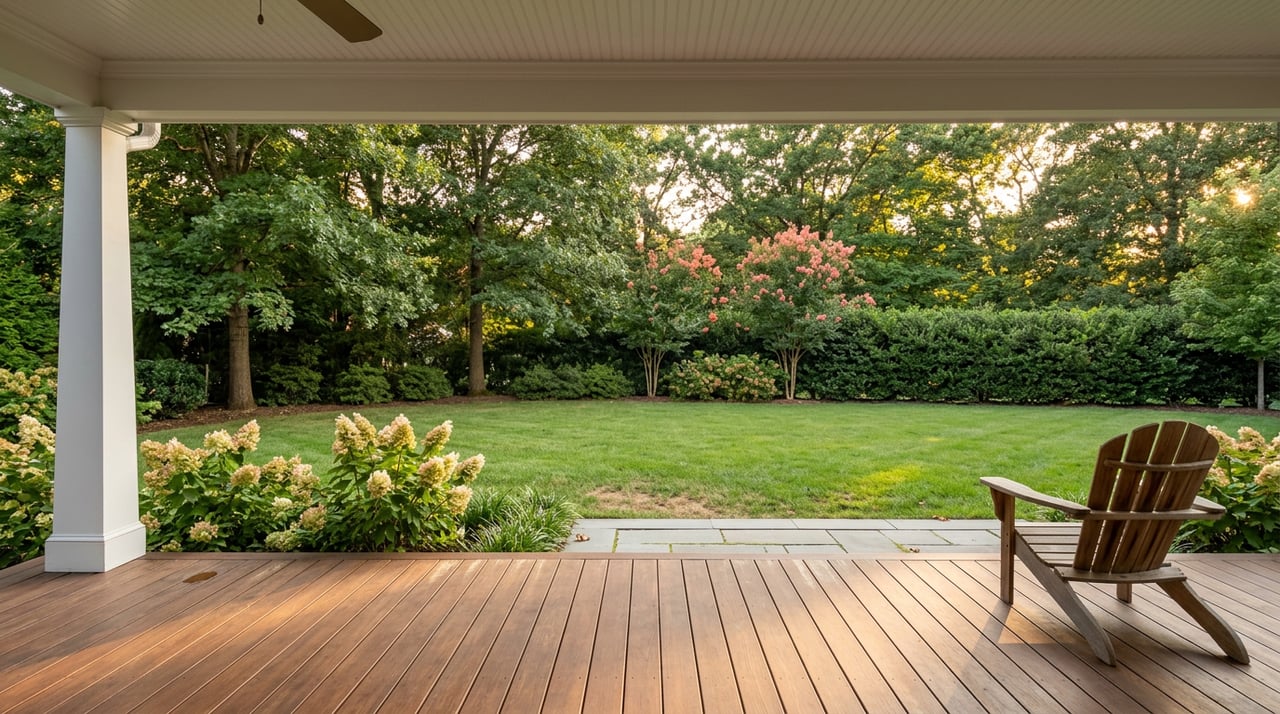
If you love character, historic bungalows and Craftsman homes may be the style that pulls you in first. In Little Rock districts such as Capitol View and other established neighborhoods, these homes often feature one-story or one-and-one-half-story layouts, low-pitched roofs, wide eaves, exposed rafters, and welcoming front porches.
These homes are often a strong match if neighborhood identity, charm, and architectural detail matter more to you than having the largest footprint. If you picture yourself enjoying a front porch, appreciating original design details, and living in an area with a long architectural history, a bungalow may feel like home.
A bungalow may work well for you if you want:
Character often comes with extra due diligence. In most pre-1978 homes, you should pay close attention to lead-based paint disclosures before signing a contract or lease.
If you plan to renovate, repair, or repaint, that matters even more. Work that disturbs painted surfaces in pre-1978 homes can create hazardous lead dust, so lead-safe certified contractors are recommended for that kind of project.
You should also be careful about materials that could contain asbestos. It cannot be identified reliably by sight alone, so if older flooring, ceiling material, or pipe wrap is damaged or will be disturbed during remodeling, a trained accredited asbestos professional should evaluate it.
Older-home inspections can also reveal issues such as outdated electrical components, missing GFCIs, ungrounded receptacles, or energy-efficiency concerns. Radon is another item worth understanding, since it is odorless and invisible and can enter through foundation cracks, joints, and similar openings.
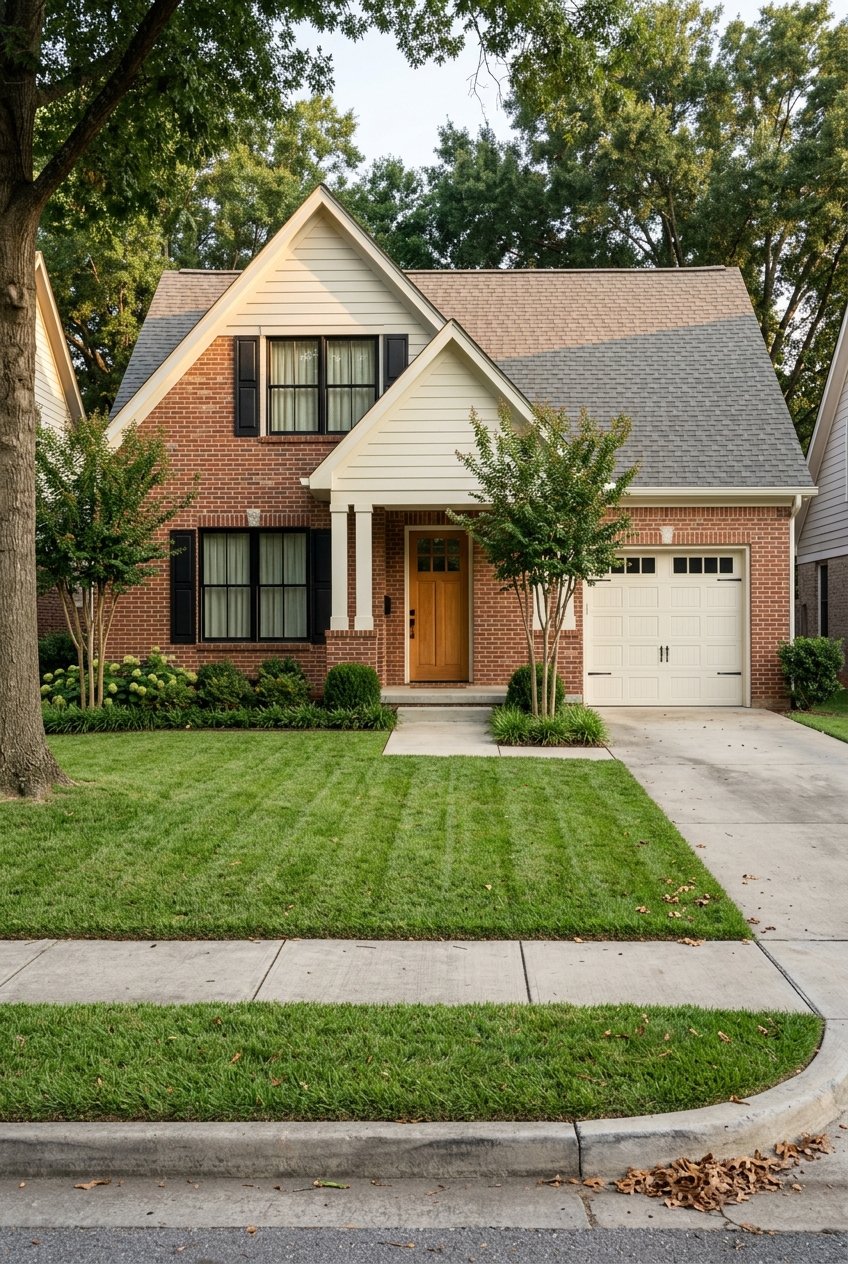
If function and simplicity are high on your list, a ranch home may be a better fit. Broadmoor is listed as predominantly Ranch, and ranch homes are generally known for their single-story design, low and long profile, shallow rooflines, and outdoor features such as patios or porches.
For many buyers, the biggest advantage is how easy these homes are to live in day to day. Fewer stairs, more direct circulation, and a practical layout can make a ranch especially appealing if you want comfort now and flexibility later.
A ranch may be a good choice if you want:
This style often works well for buyers who are planning ahead. If you want a home that can adapt to changing needs over time, ranch homes deserve a close look.
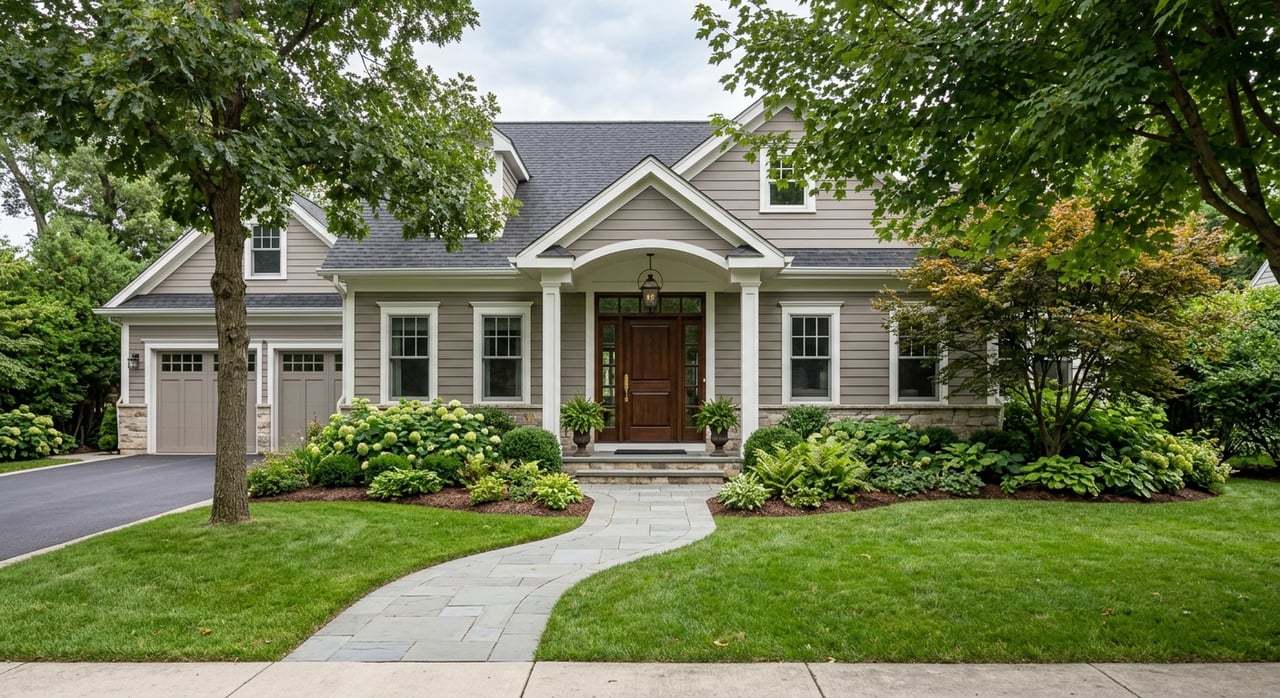
If your top priority is reducing repair surprises in the first few years, newer construction may be the right path. New homes can offer modern floor plans, more personalization, newer energy-efficient products, and builder warranties.
That combination can make ownership feel more predictable, especially if you do not want to spend your first year replacing major systems or handling deferred maintenance. Newer homes may also include features that many buyers already expect, such as smart-home technology, sustainability features, and accessible design elements.
The benefits are real, but so are the tradeoffs. New construction can come with a higher upfront cost, a longer wait time if the home is not finished, and locations that may be farther from established amenities.
If you are comparing new and existing homes, think beyond the list price. A lower-maintenance home can sometimes support your budget better over time, while an older home may cost less upfront but need more work sooner.
If convenience and affordability matter more than a large yard, a townhome or attached home may be a smart option. Smaller homes can offer lower price points, and attached housing is often a practical entry-level path for buyers who want to own without taking on the upkeep of a larger detached property.
This option can be especially appealing if you value a smaller footprint and a more convenient setting. Buyers who prefer an easy walk to shops and restaurants or want a shorter commute often find attached living a better match than a traditional single-family home.
A townhome or attached home may fit if you want:
Keep in mind that attached homes may share walls and some building systems. Depending on the property, that can affect privacy, maintenance expectations, and how the home functions compared with a detached house.
In Little Rock, it is important to understand the difference between a National Register designation and a local historic district. National Register listing is honorary and does not itself restrict private owners.
That said, some local district rules do matter. For example, properties in the MacArthur Park local historic district must obtain a Certificate of Appropriateness for exterior work, site design, and demolition.
If you love older architecture but know you want to make major exterior changes, this is a key detail to review early. The right historic home for you is not just about style. It is also about how much flexibility you want after closing.
The smartest choice is usually the one that balances purchase price with your tolerance for future work. In Little Rock, that may mean comparing a smaller historic home, a townhome, or a newer starter home instead of assuming a detached house is your only option.
Existing homes can offer lower-priced opportunities, but they often come with more repairs and maintenance. Newer homes may cost more upfront, while townhomes can provide a more affordable entry point with a smaller footprint.
Here is a simple way to think about it:
| Home style | Often best for | Main tradeoff |
|---|---|---|
| Historic bungalow | Character, porch living, established neighborhood feel | More maintenance and renovation diligence |
| Brick ranch | One-level living, practical layout, aging in place | May offer less architectural detail than older styles |
| New construction | Predictable early ownership, modern features | Higher cost or less-established location |
| Townhome | Lower entry price, convenience, smaller footprint | Shared walls and less private outdoor space |
It is easy to focus on what looks best in photos, but the right decision usually comes from a bigger picture. You want a home that fits how you live, what you can comfortably maintain, and how much uncertainty you are willing to take on.
That is where local guidance matters. A charming bungalow may be perfect for one buyer and a costly mismatch for another. The same goes for a ranch, a townhome, or a newer build.
If you are buying in Little Rock, it helps to compare homes through both a lifestyle lens and a condition lens. With the right strategy, you can choose a home style that feels good on day one and still makes sense years from now.
If you want help narrowing down the right fit, the team at Stan Mclellan can help you weigh style, condition, budget, and long-term value so you can move forward with confidence.
Stay up to date on the latest real estate trends.
When you work with our team, you gain experienced advocates committed to helping you achieve your real estate goals. We combine local market knowledge, strategic guidance, and exceptional service to deliver a positive experience from start to finish.