What It’s Like To Live In Little Rock’s Core Neighborhoods
If you are thinking about living close to the heart of Little Rock, you have probably noticed one thing fast: the city’s core neighborhoods do not all feel the same. A few blocks can change the pace, price point, housing style, and daily routine in a big way. This guide will help you understand how Little Rock’s core neighborhoods compare, what day-to-day life can look like, and which areas may fit your goals best. Let’s dive in.
Little Rock’s “core” is not one official neighborhood. It is better understood as a cluster of in-town areas that often includes Hillcrest, the Heights, Riverdale, Downtown, River Market, SoMa, Quapaw Quarter, and nearby historic districts.
That is part of what makes living in central Little Rock so appealing. You get a mix of older homes, mixed-use corridors, parks, historic streetscapes, and short drives, all within a relatively compact part of the city.
The city’s preservation office notes that Little Rock has 27 National Register Historic Districts and 16 historic residential neighborhoods. That helps explain why the core feels layered and varied instead of planned all at once like a newer suburban area.
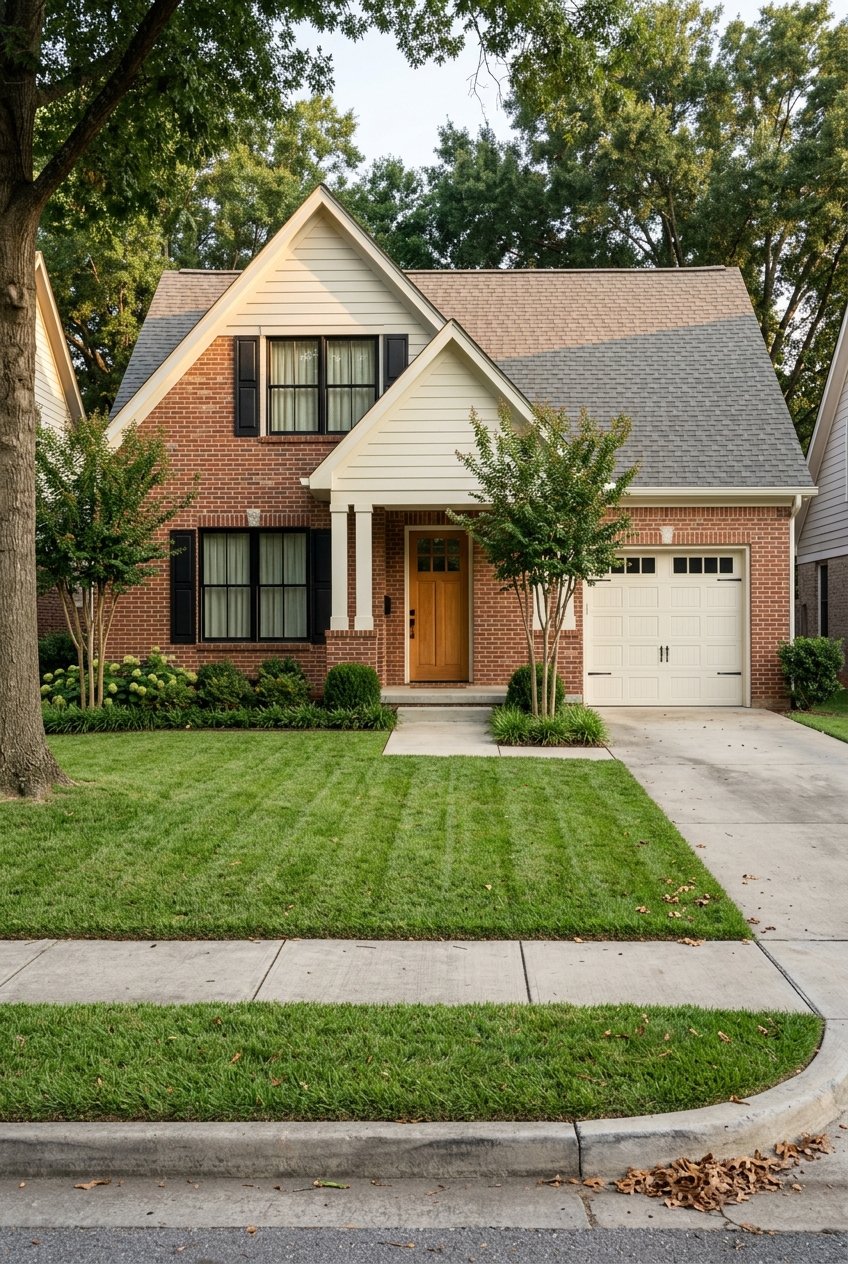
One of the biggest differences between Little Rock’s core and many outlying areas is the age and variety of the housing stock. In-town neighborhoods include homes and streetscapes dating from the 1840s through the 1970s.
That means your options can look very different from one neighborhood to the next. You may see Greek Revival, Craftsman, Prairie, Queen Anne, Colonial Revival, and Mid-Century Modern styles, sometimes within a short drive of each other.
For you as a buyer or seller, that variety matters. It affects pricing, maintenance expectations, remodeling potential, and the overall feel of everyday life.
Hillcrest is often one of the first neighborhoods people picture when they think of central Little Rock living. It sits west of downtown along Markham Street and is widely recognized as Little Rock’s first suburb.
In practical terms, Hillcrest tends to feel established, local, and walkable in pockets. The neighborhood is known for turn-of-the-century homes and cottages, a business corridor around Kavanaugh Boulevard, and access to Allsopp Park.
Community events are also part of the draw here. Seasonal gatherings and merchant events help give the area an active neighborhood feel that many buyers want when they move closer to the city center.
Hillcrest has strong architectural variety, but historic preservation documents point to period revivals, Prairie, Craftsman, Queen Anne, and Colonial Revival as standouts. On older blocks, you may also notice fieldstone details and other period streetscape features.
That variety gives Hillcrest a lot of personality. It also means two homes with similar square footage can live very differently depending on layout, updates, and lot position.
Current market snapshots place typical Hillcrest home values in the upper $200,000s to low $300,000s. Recent median sales have been around the high $300,000s, with remodeled or larger homes reaching higher price points.
For many buyers, Hillcrest lands in the sweet spot between character, location, and livability. For sellers, presentation and condition can matter a great deal because buyers often compare original charm against renovation quality.
The Heights is often described as more upscale than nearby Hillcrest. It is known for tree-shaded streets, shopping and dining around Kavanaugh Boulevard, and homes that in some cases overlook the Arkansas River from the bluffs.
If Hillcrest feels eclectic and cottage-oriented in places, the Heights often feels more polished and consistently high-end. The neighborhood association points to focus areas like parks, infrastructure, and safety, while the overall housing stock reads as older single-family homes in a highly established setting.
The Heights grew out of historic Pulaski Heights, a streetcar suburb that later became part of Little Rock. Planning materials note the area’s strong single-family orientation, which remains a key part of its identity today.
For you, that usually means a more traditional residential feel than you might find downtown or in mixed-use parts of the core. The housing here tends to support buyers looking for an in-town address with a more settled streetscape.
The Heights is the highest in-town price tier among the neighborhoods in this guide. Current data puts typical home value at about $706,618, with median list prices around $612,500.
That does not mean every property is the same, but it does set expectations. If you are buying in the Heights, you are often paying for location, established housing stock, and a well-known in-town reputation.
Riverdale offers a different kind of central Little Rock lifestyle. It is closely associated with the Arkansas River, quick access to downtown, and a location only a couple of miles west of the city center.
This area tends to appeal to buyers who want an in-town setting without the same feel as Hillcrest, the Heights, or downtown historic districts. Riverdale often reads as scenic, accessible, and a bit more mixed in housing type.
The Arkansas River Trail, Murray Park, and Rebsamen Golf Course are major lifestyle features here. If outdoor access matters to you, Riverdale has a strong case to make.
It also offers practical convenience. Local sources point to easy access to I-630, I-430, and other major routes, which can make cross-town travel simpler than in some older street-grid neighborhoods.
Housing in Riverdale is more mixed than in Hillcrest or the Heights. You will find condos, townhomes, riverfront properties, and a smaller number of single-family homes.
Current market data places Riverdale around the mid-$300,000s in typical value, with recent median sales near the low $300,000s. That often makes it a middle-tier in-town option for buyers who want location and flexibility in housing type.
If you want the most urban experience in Little Rock’s core, Downtown and the River Market are usually at the top of the list. This is the part of the city tied most closely to attractions, museums, event venues, dining, and public activity.
The River Market is a central lifestyle anchor in this area. It is known for restaurants, shopping, live music, public events, and access to parking, bus service, and the streetcar.
Riverfront Park adds another layer to downtown living. It stretches 11 blocks with more than 30 acres of trails, art, and river views, which gives residents a large outdoor amenity right in the middle of the urban core.
Downtown housing is the most varied of the neighborhoods covered here. Market snapshots show condos and townhomes ranging from lower price points into luxury units above $1 million.
Recent downtown median sale data sits around $355,000, but that number only tells part of the story. The bigger takeaway is that downtown offers the widest spread in home type, price, and building style.
The Quapaw Quarter is the historic heart of central Little Rock. It covers a broad area that includes major historic districts such as MacArthur Park, Governor’s Mansion, and Central High, along with additional smaller districts and some of the city’s oldest surviving buildings.
Living in or near the Quapaw Quarter often means stronger historic character, older housing stock, and blocks with clear architectural identity. Restored 19th-century homes are a major part of the area’s reputation.
In the Governor’s Mansion area, Queen Anne, Colonial Revival, and Craftsman architecture stand out. In the Central High neighborhood, much of the housing dates from 1890 to 1930.
Central High is not just a historic site. It is also a real part of the everyday neighborhood landscape.
The National Park Service identifies Little Rock Central High School as both an operating high school and a National Historic Landmark and National Historic Site. Nearby residents are close to a place deeply tied to civil-rights history, while also staying near downtown amenities.
For buyers who want older homes and a central location at a lower price point than Hillcrest or the Heights, Capitol View and Stifft Station are worth watching. These areas are close to downtown and carry strong early 20th-century housing character.
UAMS describes Capitol View/Stifft Station as an east-central, downtown-adjacent area with mostly Craftsman houses and bungalows, along with some Queen Anne and Shotgun houses. That gives the neighborhood a clear older-home identity without the same pricing as some better-known in-town districts.
Nearby market data places values for Capitol View-Stifft Station around the high $100,000s to low $200,000s. That helps explain why many buyers see it as a more accessible in-town option.
If your goal is to stay close to central Little Rock while stretching your budget further, this area may deserve a closer look. For sellers, it can also attract buyers specifically searching for character and convenience.
Daily life in central Little Rock is often shaped by shorter trips. Instead of long suburban drives, many core neighborhoods offer a mix of surface-street travel and relatively quick freeway access.
Hillcrest and the Heights connect through routes like Markham, Kavanaugh, Cantrell, and University. Riverdale adds convenient access to I-630 and I-430, while central-city routes also connect easily to I-30.
Transit is available, though it may not define daily life for everyone. Rock Region METRO operates fixed-route bus service, microtransit, and the 3.4-mile METRO Streetcar connecting Little Rock and North Little Rock.
The Arkansas River Trail is one of the biggest lifestyle advantages of living in the core. It supports walking, biking, and running, and it connects naturally with parks and riverfront spaces.
Your day-to-day routine can also vary a lot by neighborhood. Hillcrest offers local businesses and services around Kavanaugh, the Heights has its own shopping and dining cluster, Riverdale leans into riverfront recreation, and Downtown/River Market provides a more urban mix of food, events, and entertainment.
That is an important point if you are deciding where to live. Some blocks support a more walkable business-district lifestyle, while others feel more residential and car-dependent, even within the same general part of town.
If you want classic character and familiar in-town walkability, Hillcrest and the Heights are often the first places to compare. If you want river access and quick downtown convenience, Riverdale may fit better.
If you prefer the most urban setting with condos, events, and a broader price spread, Downtown and River Market stand out. If historic architecture is a major priority, the Quapaw Quarter and Central High area offer some of Little Rock’s strongest heritage appeal.
And if you want a close-in neighborhood with older homes at a generally more accessible price point, Capitol View and Stifft Station are often part of the conversation. The right fit usually comes down to your budget, preferred home style, and how you want your daily routine to feel.
Little Rock’s core neighborhoods reward local knowledge. If you want help comparing blocks, home styles, price ranges, and resale potential, Stan Mclellan can help you sort through the options with clear, practical guidance.
Stay up to date on the latest real estate trends.
When you work with our team, you gain experienced advocates committed to helping you achieve your real estate goals. We combine local market knowledge, strategic guidance, and exceptional service to deliver a positive experience from start to finish.